2026 FIFA World Cup Rule Changes: Everything You Need to Know
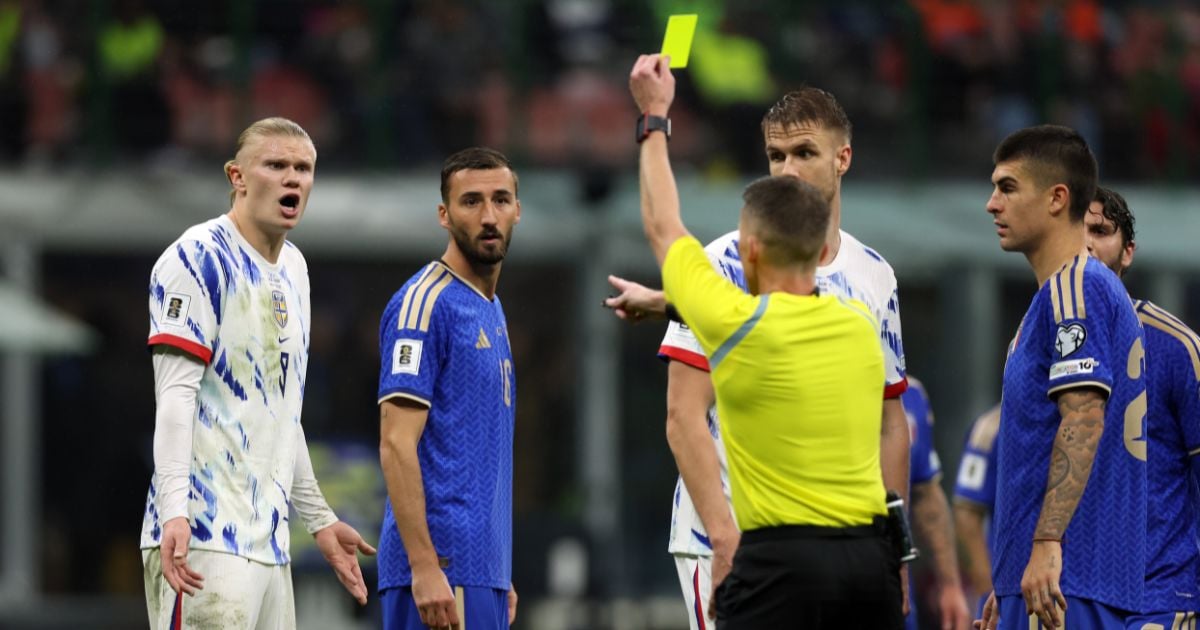
Referees handed greater authority for the 2026 World Cup - Photo by m.iacobucci.tiscali.it - Depositphotos
While the fundamental laws of football have remained largely untouched for generations, the International Football Association Board (IFAB) has approved a sweeping set of regulations ahead of the 2026 FIFA World Cup. In a sport traditionally defined by its deep conservatism—where the introduction of VAR felt truly seismic—these new directives represent one of the most significant shifts in football officiating in decades.
The adjustments are so extensive that Scotland manager Steve Clarke admitted that even managers may struggle to keep track of every nuance during the tournament. To ensure teams and fans alike are fully prepared, Terrikon.com delivers the ultimate analytical guide to the new regulations.
Crackdown on Conduct: Mouth-Covering Bans and Pitch Walk-Offs
Straight Reds for Covering the Mouth: In a direct bid to stamp out hidden insults and discriminatory slurs on the pitch, any player who covers their mouth with a hand, arm, or shirt during an on-pitch confrontation will receive an immediate straight red card. This strict mandate is specifically targeted at hostile flashpoints; ordinary, amicable conversations between opponents or teammates will remain entirely unpunished.
Ultimatums on Walk-Offs and Forfeits: Players walking off the pitch to protest a refereeing decision will now face instant dismissal. Furthermore, if a team’s actions deliberately cause a match to be abandoned, they will automatically forfeit the game, resulting in a 3-0 forfeit defeat. These severe consequences also extend to dugout staff; any manager or team official who incites their players to retreat to the dressing room will be shown a red card.
Expanded Powers for the Video Assistant Referee (VAR)
The remit of the Video Assistant Referee has been widened to intervene in several crucial, match-altering scenarios that were previously outside its jurisdiction.
Incorrect Second Yellows: VAR can now rectify an incorrectly awarded second yellow card. Crucially, however, the video officials cannot recommend a second booking if the on-pitch referee did not initially signal a foul.
Mistaken Identity: Reviews will be triggered to correct errors regarding which specific player receives a yellow or red card, ensuring disciplinary sanctions are applied accurately.
Wrongly Awarded Corners: The technology can now intervene to reverse incorrect corner-kick decisions, provided a clear and obvious error has been made and does not unnecessarily delay the restart of play.
Pre-Restart Set-Piece Fouls: Incidents occurring before the ball is in play—such as an attacker blocking or shoving a defender prior to a corner being taken—will now fall under review. The referee will be directed to the pitchside monitor to assess potential disciplinary sanctions, after which the set-piece will be retaken.
Speeding Up the Game: Substitutions and Injury Restrictions
The 10-Second Exit Rule: To combat calculated time-wasting, a substituted player has exactly 10 seconds to leave the field via the nearest boundary line once the fourth official's board is raised. Failure to do so carries a heavy tactical penalty: the incoming substitute must wait for the next stoppage after a full minute of active play has elapsed, temporarily leaving their team down to 10 men.
Mandatory One-Minute Sideline Wait: Outfield players who receive medical treatment on the pitch must remain on the sidelines for at least one minute after play resumes. To ensure player welfare is balanced with gamesmanship, exemptions are granted for goalkeeper injuries, severe collisions, suspected concussions, and designated penalty takers.
The Ban on Tactical Timeouts: FIFA is clamping down on teams using medical stoppages—particularly those involving goalkeepers—as a pretext for touchline team talks. FIFA's chief refereeing officer, Pierluigi Collina, emphasized that officials will manage this proactively. While IFAB has yet to formalise specific financial or sporting penalties, referees will strictly command players to remain in their positions on the pitch rather than congregating near the technical area.
The Five-Second Clock and Mandatory Cooling Breaks
Strict Restarts on Set-Pieces: Referees will enforce a strict, visible five-second countdown with a raised hand for throw-ins and goal kicks. If a player exceeds the limit on a throw-in, possession is overturned and a throw-in is awarded to the opposition from the same spot. If a goal kick is delayed past the five-second mark, the opposing team will be awarded a corner kick.
Mandatory Hydration Breaks: Recognising the intense summer conditions across North America, a mandatory three-minute cooling break will be introduced in each half of every single match. Referees will retain the flexibility to schedule these breaks in line with the flow of the match, aligning them with the flow of the game or existing injury stoppages to maintain match momentum.

