The Oriundi Phenomenon and Athenian Diplomacy: Five paradoxical tales from the 1934 FIFA World Cup
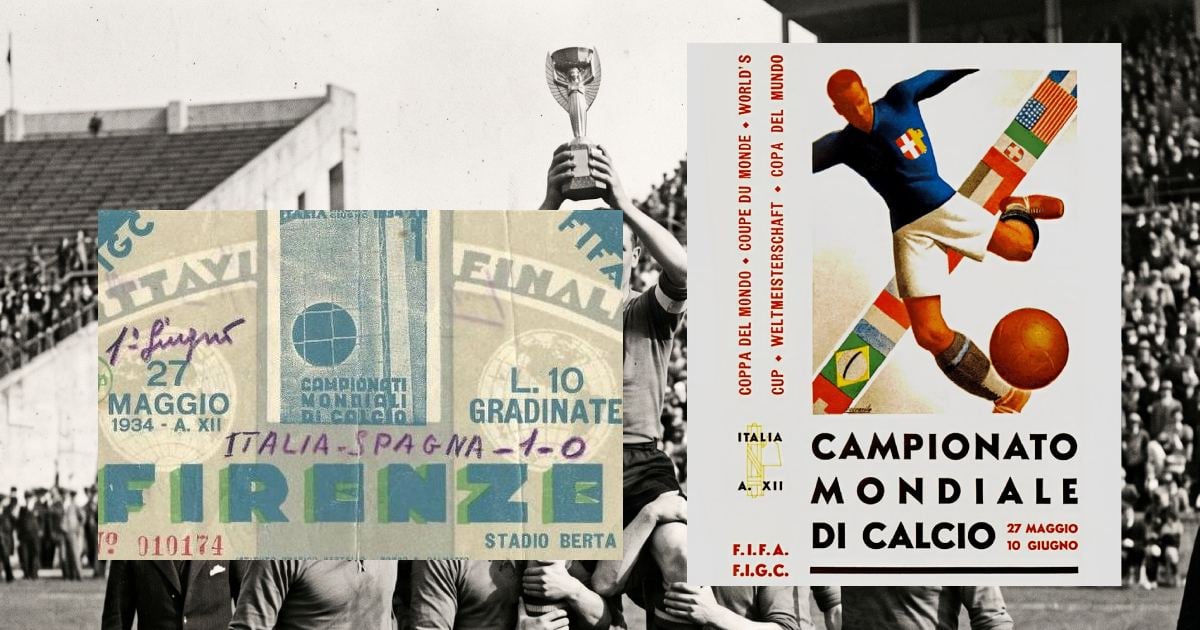
The second edition of the FIFA World Cup, hosted by Italy in 1934, marked a pivotal shift from romantic athleticism to an era of cold sporting pragmatism and political posturing. Played under the shadow of Benito Mussolini’s regime and governed by a flawed rulebook, the tournament produced a series of incidents that fundamentally altered the trajectory of football’s laws.
1. Legal loopholes: The rise of the 'Oriundi'
The most significant tactical and legal masterstroke by Italy’s manager, Vittorio Pozzo, was the recruitment of "Oriundi"—ethnic Italians living in South America. Unlike modern FIFA eligibility rules, the 1934 regulations contained a glaring oversight: the residency requirement (three years) did not apply to those holding dual citizenship.
Italy exploited a 1925 agreement based on the principle of jus sanguinis (right of blood), allowing them to fast-track superstars like Luis Monti and Raimundo Orsi into the national side. Pozzo was ruthlessly pragmatic, famously stating: "If they have the right to serve in our army and die for Italy, they have the right to play for Italy." In the dressing room of that era, the scent of expensive brilliantine mingled with an atmosphere of iron discipline; the players stepped onto the pitch knowing they represented a state doctrine as much as a football team.
2. Physical breaking points: The 'Battle of Florence'
The quarter-final clash between Italy and Spain exposed the brutality of a world without tactical rotation or tie-breakers. At the time, there were no penalty shootouts (not introduced until 1982) and, crucially, no substitutions were permitted. This turned stalemates into tests of biological survival.
On May 31, the sides battled through 120 minutes of extreme physical aggression. Italian forwards systematically targeted Spain's legendary goalkeeper Ricardo Zamora, leaving him with severe injuries. Because no replacements were permitted, Spain was forced to field seven fresh players for the replay scheduled just 24 hours later, as their starters physically could not leave their beds. Italy eventually ground out a victory in the replay—and "ground out" was certainly no figure of speech.
🏟️ Rome’s Stadio Nazionale del PNF was the stage for Italy’s 1934 @FIFAWorldCup win. Although it no longer stands, the memories of @Azzurri_En's extra-time 2-1 victory in the final against Czechoslovakia live on. 🇮🇹⚽ pic.twitter.com/y3SgUlSV9I
— FIFA Museum (@FIFAMuseum) April 5, 2024
3. Technological sovereignty and the captains' revolt
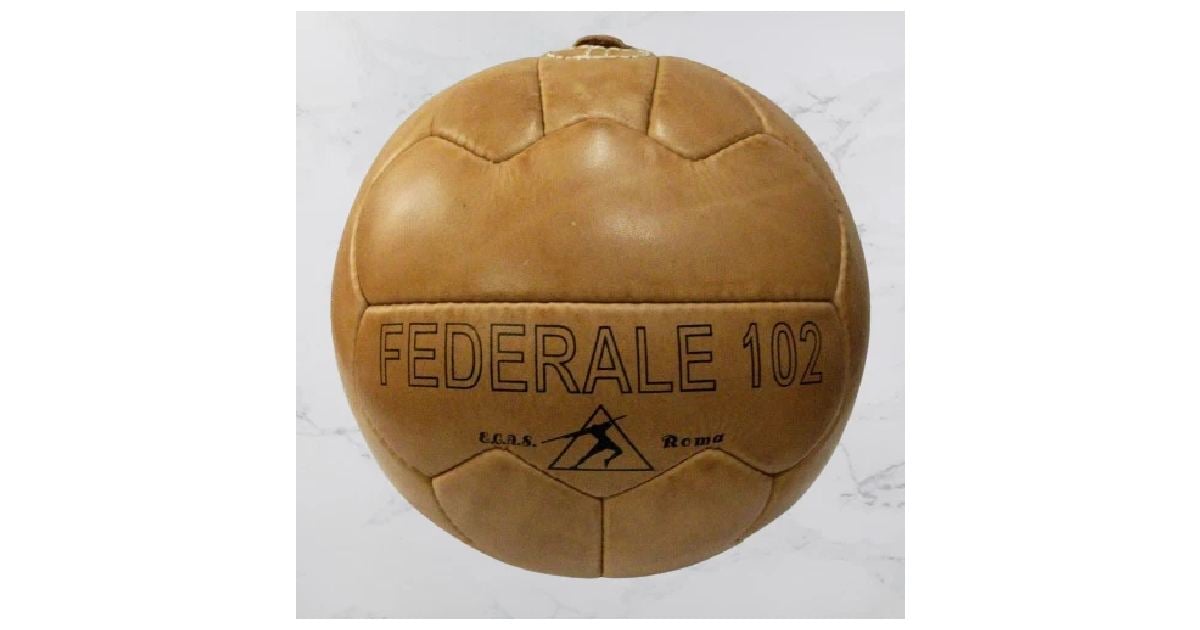
Mussolini sought total autarky, commissioning the development of the tournament's official ball—the Federale 102. It featured innovative cotton laces designed to reduce the risk of head injuries. The ball carried the pungent aroma of freshly tanned leather, intended to symbolise the nation's industrial prowess.
However, FIFA regulations at the time gave the final word to the match captains. In the final, the captains of Italy and Czechoslovakia assessed the "spherical integrity" of the Federale 102 and, deciding it was more suited to rugby than football, demanded the use of the English-made Zig-Zag. Mussolini, watching from the royal box, was forced to endure the sight of his ideological showpiece being played with British equipment. The Italian captain was lucky the hosts won, or the consequences might have been severe.
4. Egypt’s debut and officiating controversies
Egypt, the first African nation to grace a World Cup, arrived in Naples after a four-day sea crossing on the liner Helwan. Their match against Hungary was notable not only for Abdelrahman Fawzi’s historic brace but also for the glaring incompetence of referee Rinaldo Barlassina.
With the score locked at 2-2, Fawzi embarked on a solo run to score what appeared to be his hat-trick, only for it to be chalked off for a highly dubious offside. The farcical nature of the game peaked when Hungary’s fourth goal was allowed despite goalkeeper Mustafa Mansour literally having his nose broken by an elbow as he was bundled over the line, ball and all. Curiously, the Italian official saw no foul.
5. Diplomatic qualification: The Greek precedent
To this day, Italy remains the only host nation in history required to go through the qualification process. After 4–0 thumping of Greece in Milan, the return leg in Athens never took place following a sudden withdrawal by the Greek side.
Behind the official facade of "acknowledging Italian superiority" lay significant economic leverage. According to IFFHS data, the Italian federation, acting in the interests of the regime, purchased a two-storey building in Athens and gifted it to the Greek FA as their new headquarters. This deal, valued at roughly $400,000 in today’s terms, allowed Italy to bypass the risks of an away trip and focus entirely on the final tournament.
The Aftermath
The age of sporting innocence was over. While a sense of romance would return in 1954, the events of 1934 in Italy proved that football had outgrown its status as a mere pastime. It had become a potent instrument of foreign policy and state power.
Interestingly, this World Cup featured no group stages, moving straight to a knockout format—a brutal system considering the weeks of travel required only to potentially be sent home after 90 minutes. For a full breakdown of the results, visit our dedicated 1934 FIFA World Cup archive page.

